
 ecallen
Senior Dog Arthritis: 6 Non-Invasive Pain Relief Solutions for Veterinarians
Based on the webinar presented by Jane McNae BVSc, MANZCVS, MRCVS, PGCert, CCRT, Dip AnPhys, FHEA*
Osteoarthritis affects 80% of dogs by age eight, but surgery and heavy sedation aren’t your only options. Dr. Jane McNae, BVSc, MANZCVS, MRCVS, PGCert, CCRT, Dip AnPhys, FHEA, a veterinary physiotherapy specialist practicing in Hong Kong, shares her proven non-invasive approaches that help senior pets live comfortably without scalpels or sedation – and how they can transform your practice revenue.
“What I really want to show you today is how in general practice, you can utilize a lot of these non-invasive pain fixes to help your pets.” – Dr. McNae
Why Non-Invasive Arthritis Treatment Works Better Than Surgery
Unlike humans where osteoarthritis typically affects those over 55, our veterinary patients face a different timeline. According to the American Animal Hospital Association, one in five dogs suffers from osteoarthritis by just one year of age. By eight years old, that number jumps to 80% of dogs, with cats showing similarly high percentages.
Dr. McNae’s Hong Kong practice operates entirely without “sharp objects” – no scalpels, no sedation – proving that effective canine arthritis management doesn’t require invasive procedures while maintaining excellent client satisfaction and practice profitability.
Understanding Chronic Pain Management
The key to successful dog arthritis treatment lies in understanding the pain pathway. Pain signals travel from nociceptors (transduction) through the spinal cord (transmission and modulation) to the brain (perception).
The critical distinction: While acute pain serves a protective purpose, chronic osteoarthritis pain becomes maladaptive – offering no benefit while significantly impacting quality of life. This is where targeted, non-invasive veterinary pain management interventions make the biggest difference.
Case Study: Charlie's Transformation Through Non-Invasive Care
Charlie, a nine-year-old Labrador, presented with classic dog joint pain symptoms: slow walking, dragging his left hind foot, and obvious stiffness. Dr. McNae always videos pets walking, finding this helps clients clearly see the pain and understand the need for intervention.
Through her non-invasive pet pain management protocol, Charlie progressed from a stiff, uncomfortable dog to a happy, mobile senior enjoying his golden years.
See how non-invasive treatments can reduce your surgery referrals by 40%. Learn more about Assisi LOOP® therapy, which utilizes targeted Pulsed Electromagnetic Field (tPEMF™) technology to transform arthritis treatment outcomes.
Dr. McNae's Six-Modality Approach to Non-Invasive Pain Relief
Dr. McNae’s approach focuses on client education and empowerment while building practice revenue through effective, repeatable treatments. Her protocol combines six different modalities, with Zomedica’s innovative solutions serving as the cornerstone of her treatment success.
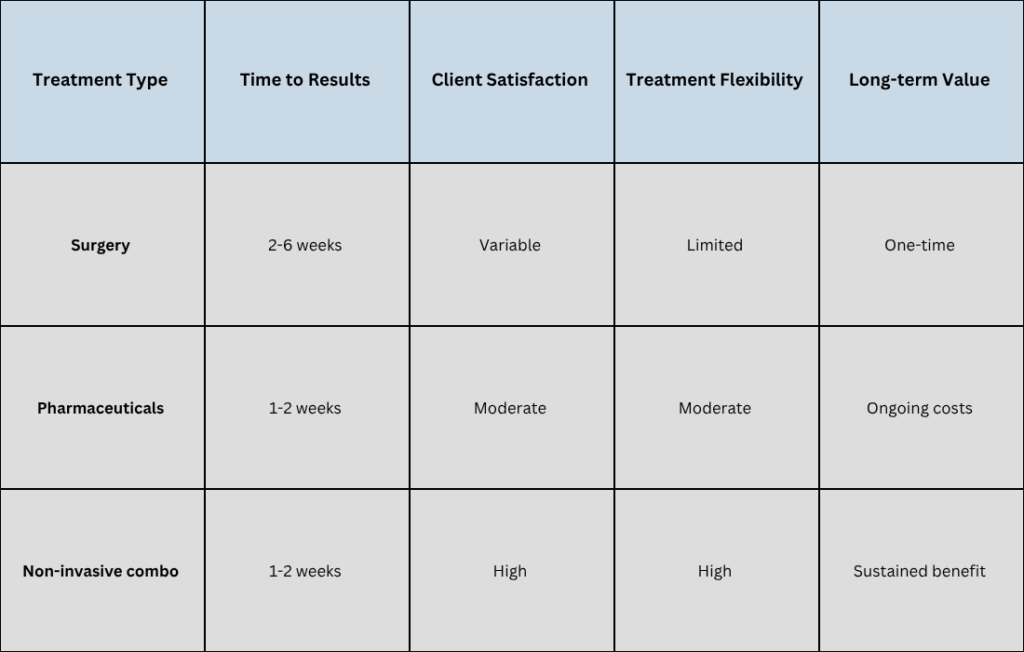
Treatment Comparison: Non-Invasive vs Traditional Approaches
Assisi LOOP® Targeted PEMF (tPEMF™) Therapy: The Gold Standard for Pet Pain Relief
The research-backed choice: Assisi Loop® targeted PEMF Therapy
Energy type: Pulsed electromagnetic field
How it works: Dr. McNae explains to clients that tPEMF “uses the body’s own natural anti-inflammatory processes.” The technology induces the nitric oxide cycle, producing anti-inflammatory molecules that promote circulation, reduce pain and swelling, and speed recovery.
Clinical Advantages Over Traditional Arthritis Treatment
Pain pathway targeting: The Assisi LOOP tPEMF therapy works on both transduction and transmission pain pathways by normalizing blood flow, increasing lymphatic flow, and reducing prostaglandins.
Evidence-based results: Dr. McNae emphasizes choosing research-backed solutions: “There’s a lot of different PEMF available on the market now. For me, it’s about where the research is and not all of those are research-based and not all of those are tested in animals.”
She specifically references Dr. Leilani Alvarez’s placebo-controlled trials at New York Animal Medical Center as pivotal in her decision to incorporate Assisi LOOP therapy, calling it “the gold standard in pulsed electromagnetic field.”
Implementation for Veterinary Practices
Treatment protocol for optimal results:
- Frequency: 3-4 times daily initially, typically reducing to 2 times daily
- Duration: 15 minutes per session
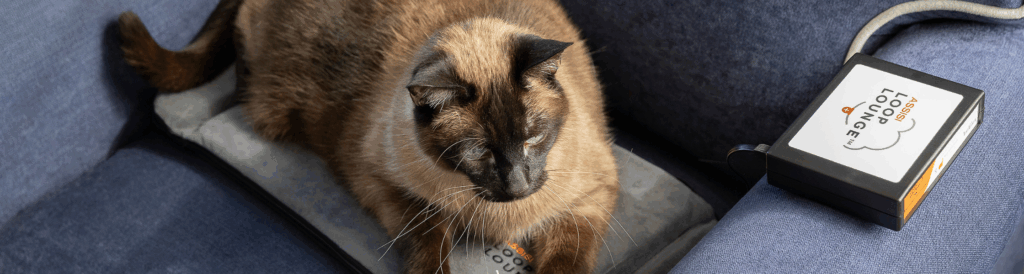
- Placement: Under pet’s bedding or during relaxed periods
- Safety: Completely safe alongside prescription medications
Client empowerment advantage: “The best thing I love about the Assisi LOOP and the Assisi LOOP® Lounge is that I can send it home with the client and it empowers them to make decisions about their pet,” Dr. McNae explains. This home-use capability helps clients feel actively involved in their pet’s care while generating ongoing practice revenue.
ROI for practices: Home-use devices create recurring revenue streams while improving client satisfaction and treatment compliance.
Real-World Assisi LOOP Therapy Success Stories
Dr. McNae’s diverse caseload demonstrates the versatility of Assisi LOOP tPEMF therapy:
Momo: Neurological condition with grade one disc pain managed with Assisi LOOP therapy
Chocolate: Post-surgical pain and swelling after femoral head and neck excision
Charlie: Brachial nerve plexus injury managed entirely via Zoom consultations
Chewy (Cockatoo): Neuropraxia and tissue swelling from tight leg ring
IBD Cat: Inflammatory bowel disease management using anti-inflammatory properties Momo (Cart Dog): Four-limb joint collapse in Cushing’s dog using Assisi LOOP Lounge three times daily
Advanced Shockwave Technology for Veterinary Pain Management
The breakthrough: PulseVet® Shock Wave Therapy
Energy type: Pressure waves of sound energy (similar to thunder following lightning)
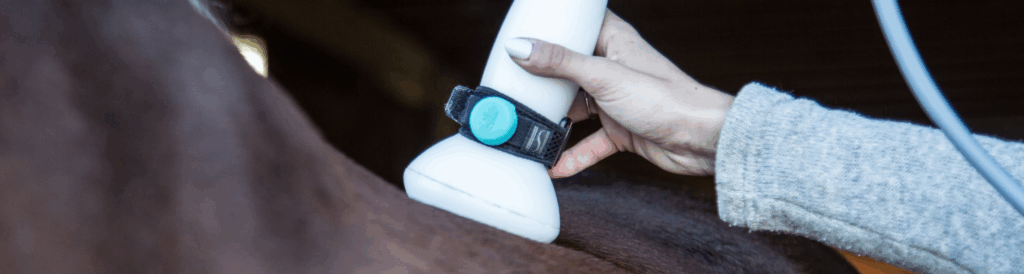
How it works: Sound energy penetrates deeply through water-based body tissues, creating compressive and tensile forces at tissue interfaces. This triggers cellular release of cytokines and growth factors that stimulate healing.
Clinical Benefits That Exceed Traditional Methods
Measurable improvements:
- Increased blood flow and reduced inflammation
- Stimulates bone morphogenic proteins for bone healing
- Improves tendon and ligament healing through fiber alignment
- Provides temporary analgesic effect lasting days to weeks
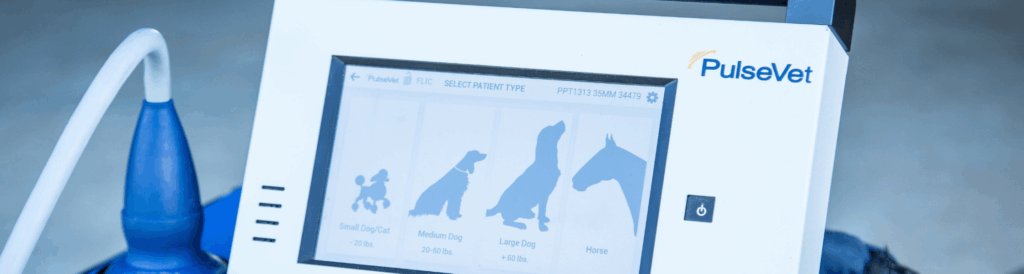
Dr. McNae’s integration strategy: “I bought shockwave into the practice three years ago when the PulseVet® system from Zomedica finally was able to release an X-Trode™.” The X-Trode technology dissipates peak energy, making treatments comfortable without sedation.
Treatment Protocol for Maximum Effectiveness
Professional treatment schedule:
- Sessions: 2-3 treatments, two weeks apart
- Response time: Benefits appear within days
- Duration: Longer-lasting effects than other therapies
- Integration: Use after preparing tissues with other modalities
Applications generating strong client outcomes: Excellent for tendons, ligaments, muscles, post-TPLO procedures, shoulder tendinopathies, bone healing, and multimodal osteoarthritis therapy.
Why PulseVet Shock Wave Works Without Sedation
The revolutionary X-Trode technology makes PulseVet therapy unique in the shock wave market. By dissipating peak energy while maintaining therapeutic effectiveness, Dr. McNae can provide powerful treatments in her non-sedation practice.
“This was the most recent addition to my practice. I’ve been waiting a long time to incorporate shock wave,” Dr. McNae explains. The ability to deliver focused shock wave therapy without sedation opens treatment possibilities for pets who aren’t surgical candidates.
Ready to see PulseVet technology in action? Schedule a demonstration to discover how focused shock wave therapy takes pain control to the next level.
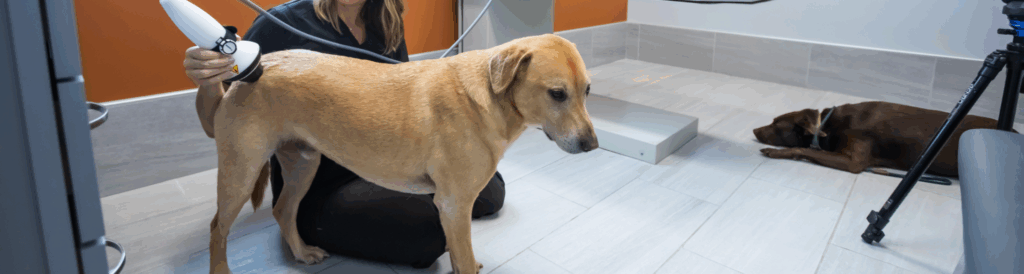
Complementary Modalities in Dr. McNae's Protocol
Dr. McNae’s comprehensive approach includes additional modalities that work synergistically with Assisi Loop therapy and PulseVet shock wave:
Therapeutic laser and photobiomodulation work excellently alongside tPEMF therapy, with Dr. McNae noting that combining laser with Assisi LOOP home therapy creates much faster response times.
TENS therapy provides an additional electrical stimulation option for cases where other modalities may have limitations, often used in combination with Assisi LOOP therapy.
Therapeutic ultrasound serves as another complementary option, particularly useful for recently clipped surgical patients when combined with the primary tPEMF and shock wave protocols.
The Future of Senior Pet Care Revenue
Dr. McNae’s practice demonstrates that effective osteoarthritis management doesn’t require invasive procedures while maintaining strong profitability. By combining evidence-based technologies like Assisi LOOP targeted PEMF therapy and PulseVet shock wave therapy with proper client education, veterinarians can offer comprehensive pain management that improves quality of life for senior pets and builds lasting client relationships.
“If I can give them something that doesn’t make it all controlled by the veterinarian, but helping to empower them, I think it buys their compliance and their better understanding of how we’re trying to help the pet.” – Dr. McNae
These non-invasive approaches offer hope for pets who aren’t surgical candidates and provide additional revenue streams for practices wanting to expand their pain management capabilities without major facility modifications.
Transform your arthritis treatment outcomes today. Discover Assisi Loop® success stories and clinical applications to see how the gold-standard tPEMF technology empowers clients while building practice revenue. Explore PulseVet shock wave research and applications to learn how innovative shockwave technology is revolutionizing veterinary pain management.
Ready to implement these proven protocols? Contact Zomedica’s veterinary specialists to develop a customized implementation plan for your practice, including training, support, and ROI projections.
*Dr. McNae was paid by Zomedica, Inc. for her webinar presentation. Watch the webinar here.
© 2025 Zomedica Inc. All rights reserved. PulseVet is a registered trademark of Zomedica Inc.